Understanding the Basics of Chiropractic Care for Back Pain
 Dr. Bob Vaughn
Back pain is one of the most common reasons people seek care, and if you’ve been dealing with it, you’re definitely not alone. Whether it’s a dull ache after a long day at work or sharp discomfort that makes it hard to get out of bed in the morning, back pain has a way of affecting every part of your life. Here at Catalyst Chiropractic And Rehab in Blaine, MN, we see patients every day who are searching for answers and relief — without resorting to surgery or long-term medication. Chiropractic care for back pain is one of the most well-researched and widely recommended conservative approaches available, and understanding the basics can help you make an informed decision about your health.
What Is Chiropractic Care for Back Pain?
Chiropractic care for back pain is a non-invasive, drug-free form of treatment focused on identifying and addressing the underlying causes of spinal discomfort. A chiropractor evaluates the spine, joints, and surrounding muscles to restore proper alignment, mobility, and function — helping the body heal more naturally and effectively.
What Causes Back Pain?
Back pain rarely has just one cause, and that’s part of what makes it so frustrating to deal with. In many cases, it’s the result of a combination of factors — postural habits, muscle imbalances, joint dysfunction, and even stress. Understanding what might be driving your pain is the first step toward addressing it effectively.
Some of the most common contributors to back pain that Dr. Bob Vaughn and the team at Catalyst Chiropractic And Rehab evaluate include spinal joint restrictions, also called subluxations, where one or more vertebrae aren’t moving as freely as they should. When joints become restricted, the surrounding muscles often compensate by tightening up, which can create a cycle of tension and discomfort that’s hard to break on your own.
Disc-related issues are another frequent culprit. The intervertebral discs that sit between your vertebrae act as shock absorbers, and when they become compressed, bulging, or herniated, they can press on nearby nerves and cause significant pain — sometimes radiating down into the hips or legs. This type of referred pain is commonly known as sciatica when it travels along the sciatic nerve.
Poor posture and prolonged sitting are also major contributors, especially here in the Blaine, MN area where many residents spend long hours at desks or commuting. Over time, poor postural habits place uneven load on the spine, leading to muscle fatigue, joint stress, and eventually pain. Lifestyle factors like inactivity, improper lifting mechanics, and even sleep position can all play a role as well.
How Chiropractic Care Works
At its core, chiropractic care is built on the principle that the spine plays a central role in your overall health and function. The spinal column protects the spinal cord and the nerves that branch out to every part of your body. When spinal joints become restricted or misaligned, it can interfere with normal nerve communication and create dysfunction that shows up as pain, stiffness, or reduced mobility.
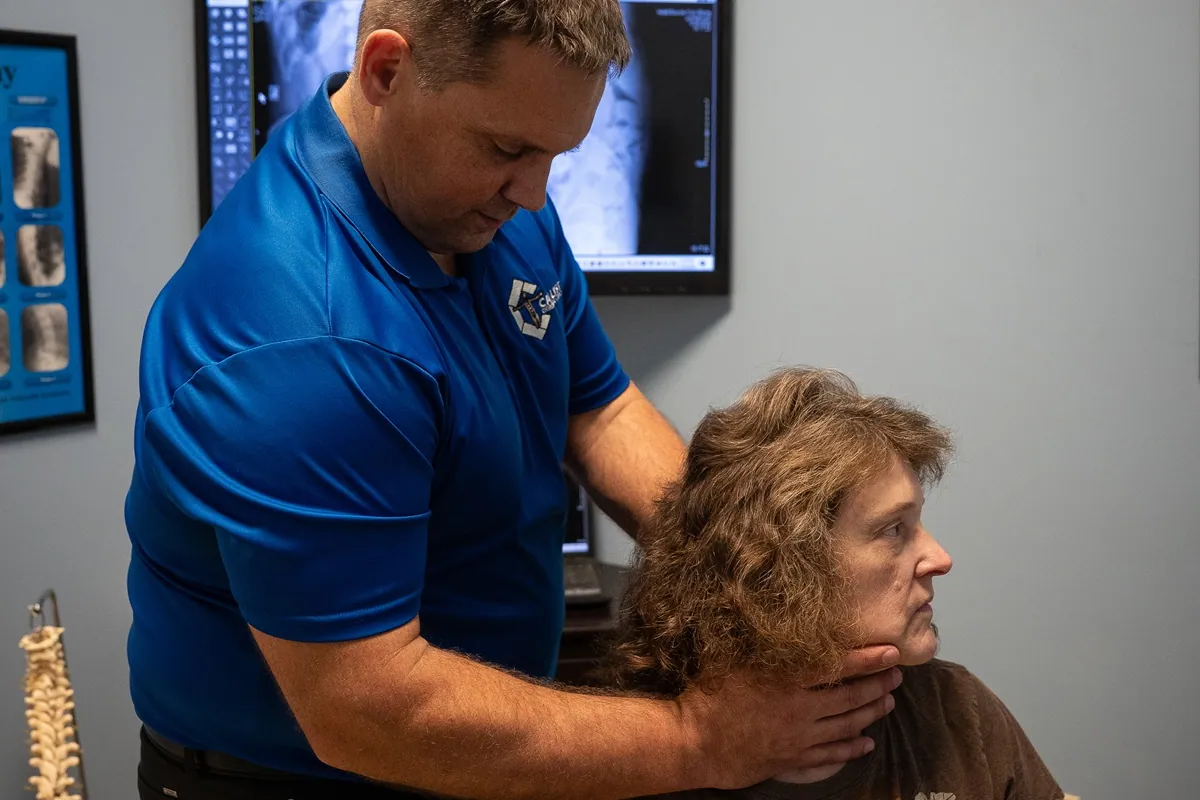
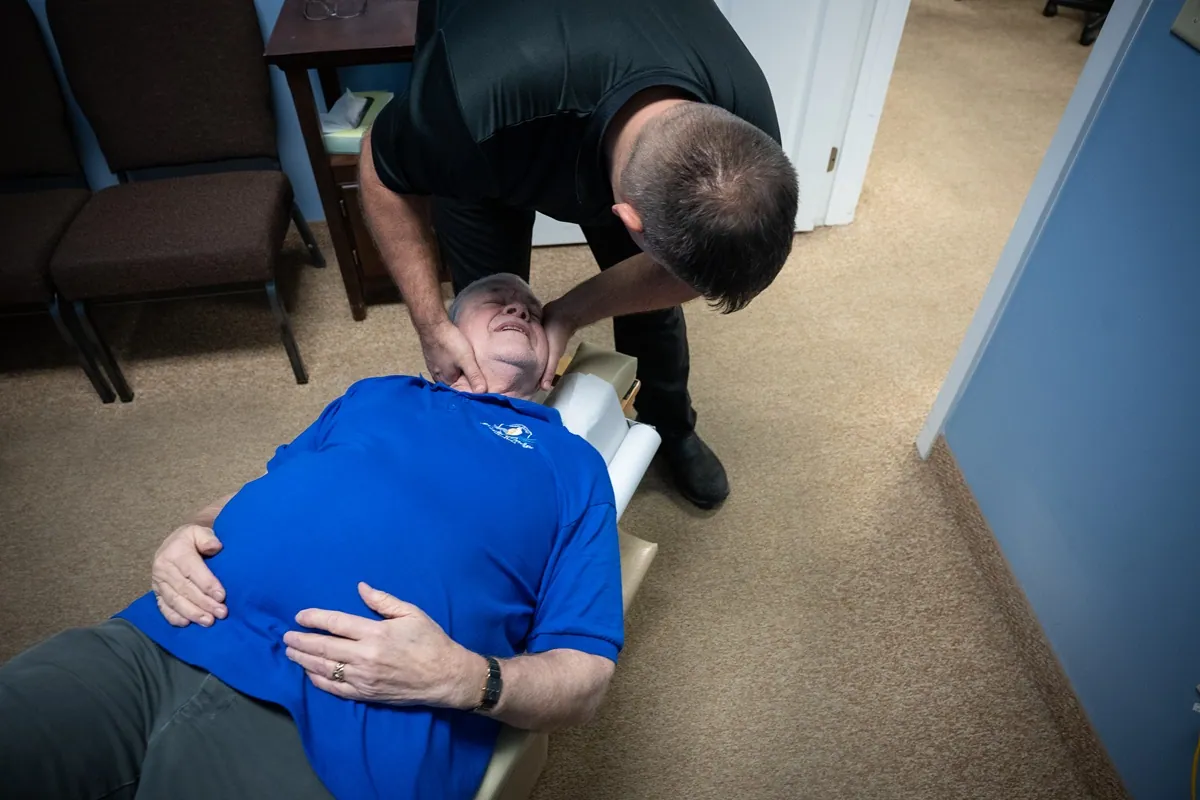
The primary tool chiropractors use is called a spinal adjustment, or spinal manipulation. This is a precise, controlled force applied to a specific joint to restore its normal range of motion. Research suggests that spinal manipulation can help reduce pain, improve mobility, and support the body’s natural healing process. Organizations like the American College of Physicians and the National Institutes of Health recognize spinal manipulation as a viable first-line treatment option for certain types of back pain.
Chiropractic care goes beyond just the adjustment, though. At Catalyst Chiropractic And Rehab, Dr. Bob Vaughn takes a comprehensive approach that may include soft tissue therapy, rehabilitative exercises, posture correction, and patient education. The goal isn’t just to relieve pain temporarily — it’s to address the root cause and help patients build a foundation for lasting spinal health.
It’s also worth noting that chiropractic care is highly individualized. No two patients are the same, and a care plan that works well for one person may look completely different for another. That’s why a thorough evaluation is always the starting point.
What to Expect at Your First Visit
Walking into a chiropractor’s office for the first time can feel a little uncertain, especially if you’ve never experienced chiropractic care before. The good news is that the process is straightforward, and you’ll be in good hands with Dr. Bob Vaughn and the team at Catalyst Chiropractic And Rehab in Blaine, MN.
Your first visit will typically begin with a thorough health history and consultation. Dr. Bob Vaughn will want to understand your symptoms in detail — how long you’ve had them, what makes them better or worse, and how they’re impacting your daily life. This conversation gives important context for everything that follows.
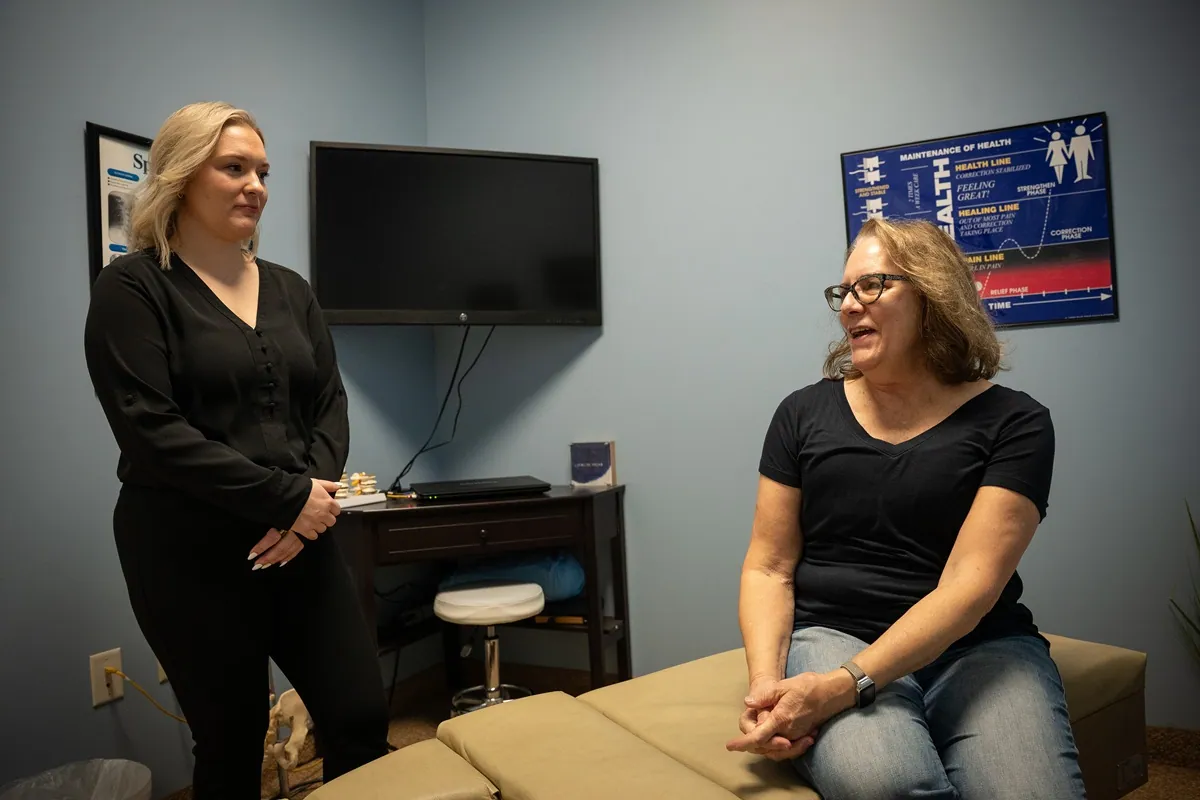
Next comes a physical examination that may include orthopedic and neurological testing, postural analysis, and hands-on palpation of the spine. This helps pinpoint exactly where restrictions, tension, or imbalances exist. If imaging like X-rays is warranted, that may be discussed as well, though not every patient requires them.
Once the assessment is complete, you’ll receive a clear explanation of what was found and what a recommended care plan looks like. There’s no guesswork, and you’ll never be pressured into anything. The focus is on empowering you to make confident, informed decisions about your own health.
How Chiropractic Care Fits Into Your Recovery
One of the most important things to understand about chiropractic care for back pain is that it works best as part of an integrated approach to healing. Chiropractic adjustments can be highly effective at restoring joint mobility and reducing nerve irritation, but they’re even more powerful when combined with other supportive strategies.
At Catalyst Chiropractic And Rehab, the care model is designed to address multiple layers of the problem. Soft tissue therapies help release muscle tension that often accompanies joint dysfunction. Rehabilitative exercises strengthen the muscles that support the spine, making it less vulnerable to future injury. And ongoing education helps patients understand how their daily habits — from how they sit at a desk to how they lift groceries — influence their spinal health over time.
Evidence from organizations like the Cochrane Library and the Spine Journal indicates that combining spinal manipulation with exercise and education tends to produce better outcomes for back pain patients than any single approach used in isolation. This is exactly the philosophy that guides how Dr. Bob Vaughn approaches care at Catalyst Chiropractic And Rehab.
Chiropractic care is also a genuinely conservative choice. It doesn’t involve surgery, injections, or prescription medications. For many patients dealing with musculoskeletal back pain, it can be an excellent first step before considering more invasive interventions — and for others, it’s an ongoing part of maintaining a healthy, active lifestyle.
Practical Tips for Managing Back Pain at Home
While chiropractic care can make a meaningful difference, what you do between appointments matters just as much. Here in Blaine, MN, many of our patients benefit from making small but consistent changes to their daily routines that reduce strain on the spine and support the work being done in the clinic.
Pay close attention to your sitting posture, especially if you work at a computer. Your feet should rest flat on the floor, your knees should be at roughly a 90-degree angle, and your monitor should be at eye level. Sitting for long periods compresses the lumbar spine, so setting a reminder to stand up and move around every 30 to 45 minutes can make a significant difference over time.
Mindful movement is another powerful tool. Simple daily stretching that targets the hip flexors, hamstrings, and lumbar muscles can help counteract the tightening that builds up from prolonged sitting or repetitive activity. Gentle core strengthening exercises, done consistently and with proper form, provide the spine with better stability and support.
Sleep position also plays a role that many people overlook. Sleeping on your side with a pillow between your knees, or on your back with a pillow under your knees, can help maintain neutral spinal alignment through the night. Sleeping on your stomach is generally harder on the lower back and neck and is worth reconsidering if back pain is a regular issue.
When to See a Chiropractor
Many people wait far too long before seeking care for back pain — often hoping it will resolve on its own. While some mild soreness after physical activity can improve with rest, pain that persists for more than a few days, returns frequently, or is getting progressively worse deserves professional attention.
You may want to consider scheduling an evaluation with Dr. Bob Vaughn if you’re experiencing stiffness that makes it difficult to move normally in the morning, pain that radiates from your back into your hips or legs, or recurring discomfort that seems to come and go without a clear cause. These are all signs that something in the spine or surrounding structures may need attention.
There are also certain red flags that should prompt a visit to an emergency room or medical doctor rather than a chiropractor. These include back pain accompanied by loss of bladder or bowel control, severe pain following significant trauma like a car accident or a fall, unexplained weight loss, or pain that is constant and unrelenting regardless of position. These symptoms may indicate a more serious underlying condition that requires immediate medical evaluation.
For the vast majority of patients, however, chiropractic care is a safe and appropriate starting point. The team at Catalyst Chiropractic And Rehab is always happy to help determine whether chiropractic care is the right fit — and if another type of care is needed, we’ll help point you in the right direction.
Chiropractic vs. Other Common Approaches
Approach |
Invasive? |
Addresses Root Cause? |
Common Uses |
Potential Limitations |
|---|---|---|---|---|
|
Chiropractic Care |
No |
Yes — focuses on spinal function and joint mobility |
Musculoskeletal back pain, joint restrictions, nerve irritation |
May require multiple visits for lasting results |
|
Over-the-Counter Pain Medication |
No |
No — manages symptoms only |
Temporary pain relief |
Does not address underlying dysfunction; potential side effects with long-term use |
|
Physical Therapy |
No |
Partially — focuses on strength and mobility |
Rehabilitation after injury, chronic pain management |
Less focus on spinal joint adjustment |
|
Steroid Injections |
Yes (minimally) |
No — reduces inflammation temporarily |
Acute flare-ups, nerve inflammation |
Temporary relief; limited number of injections recommended |
|
Spinal Surgery |
Yes |
Depends on condition |
Severe structural damage, disc herniation with nerve compression |
Risks of surgery; typically considered a last resort |
Myths vs. Facts About Chiropractic Care
Myth: Chiropractic adjustments are dangerous.
Fact: Chiropractic care is widely considered one of the safest forms of conservative care available for musculoskeletal conditions. Serious adverse events following chiropractic adjustments are rare. Dr. Bob Vaughn conducts a thorough evaluation before any treatment to ensure that adjustments are appropriate and safe for each individual patient.
Myth: Once you start seeing a chiropractor, you have to go forever.
Fact: This is one of the most persistent misconceptions about chiropractic care. While some patients choose to continue with periodic wellness visits after their pain resolves — much like routine dental cleanings — there is no obligation to continue care indefinitely. Treatment plans at Catalyst Chiropractic And Rehab are designed with clear goals and a defined endpoint.
Myth: Chiropractic care is only for back pain.
Fact: While back pain is certainly one of the most common reasons people seek chiropractic care, chiropractors are trained to address a wide range of musculoskeletal issues including neck pain, headaches, shoulder problems, and joint pain throughout the body. The spine-centered approach has wide-ranging effects on overall function and well-being.
Myth: The popping sound during an adjustment means something is breaking.
Fact: That familiar popping or cracking sound is simply the release of gas — primarily carbon dioxide — from within the joint capsule as pressure changes during the adjustment. It is not the sound of bones cracking or breaking, and it is completely normal. Some adjustments produce no sound at all and are equally effective.
Myth: Chiropractic care cures back pain instantly.
Fact: While some patients notice improvement after their very first visit, most conditions benefit from a series of visits. The spine doesn’t develop dysfunction overnight, and it takes consistent, progressive care to restore lasting function. Realistic expectations and patient participation in home care recommendations are key parts of a successful outcome.
Final Thoughts from Catalyst Chiropractic And Rehab
Back pain doesn’t have to become your new normal. At Catalyst Chiropractic And Rehab in Blaine, MN, Dr. Bob Vaughn and our team are dedicated to helping members of our community find real, lasting relief through thoughtful, personalized chiropractic care. We believe in treating the whole person — not just the symptom — and in empowering every patient with the knowledge and tools they need to take an active role in their own health.
Whether you’ve been dealing with back pain for years or you’re just starting to notice discomfort that’s affecting your quality of life, we’d love the opportunity to help. Our approach is gentle, evidence-informed, and always tailored to you as an individual. Residents throughout the Blaine, MN area trust Catalyst Chiropractic And Rehab as a welcoming, professional resource for conservative spinal care — and we’re proud to be part of this community.
If you’ve been searching for chiropractic care near you and wondering whether it might be a good fit for your back pain, the best next step is simply coming in for a conversation. Understanding what’s driving your pain is the foundation of everything else — and that’s exactly where we start.
Frequently Asked Questions
How many chiropractic visits will I need for back pain?
The number of visits varies depending on the type of back pain, how long it has been present, and how the individual responds to care. Some patients notice meaningful improvement within a few visits, while others with more complex or chronic conditions may benefit from a longer series of treatments. Dr. Bob Vaughn will outline a realistic care plan after your initial evaluation.
Is chiropractic care safe for older adults?
Yes, chiropractic care can be appropriate for older adults, and techniques are always adapted to the patient’s age, health status, and comfort level. Gentler, low-force adjustment methods are available for patients who may have concerns about traditional adjustments. A thorough health history review ensures that care is safe and suitable for each individual.
Can chiropractic care help with a herniated disc?
Chiropractic care is often considered for disc-related back pain as part of a conservative management approach. While it may not change the structure of the disc itself, restoring proper spinal mechanics and reducing nerve irritation can significantly help manage the associated pain and dysfunction. Results vary, and Dr. Bob Vaughn will help determine whether chiropractic care is appropriate based on your specific presentation.
Will I need X-rays before starting chiropractic care?
Not necessarily. X-rays are taken when clinically indicated — for example, if trauma is involved, if there are red flags in the history, or if the examination findings suggest imaging would be informative. Many patients begin care based on a thorough physical evaluation alone. The decision is made on a case-by-case basis at Catalyst Chiropractic And Rehab.
Can chiropractic care prevent future back pain?
Evidence suggests that maintaining spinal health through regular chiropractic care, combined with exercise and healthy movement habits, may help reduce the frequency and severity of future back pain episodes. While no approach can guarantee prevention, building a strong foundation of spinal function and body awareness goes a long way toward long-term well-being.
Is it normal to feel sore after a chiropractic adjustment?
Mild soreness following an adjustment is relatively common, particularly after the first few visits, and is generally short-lived — typically resolving within 24 to 48 hours. This is similar to the way muscles can feel after a new exercise routine. Staying hydrated and moving gently can help ease any post-treatment soreness.
TL;DR Summary
-
Chiropractic care for back pain is a non-invasive, drug-free approach that focuses on restoring spinal joint function, reducing nerve irritation, and supporting the body’s natural healing process.
-
Common causes of back pain include joint restrictions, disc issues, poor posture, and muscle imbalances — all of which chiropractic care is designed to evaluate and address.
-
At Catalyst Chiropractic And Rehab in Blaine, MN, Dr. Bob Vaughn takes a comprehensive approach that may include spinal adjustments, soft tissue therapy, rehabilitative exercises, and patient education.
-
Daily habits like sitting posture, movement breaks, stretching, and sleep position play a significant role in back health and complement in-office chiropractic care.
-
Most people with musculoskeletal back pain are good candidates for chiropractic care — and getting a professional evaluation is the best first step toward understanding your options.